


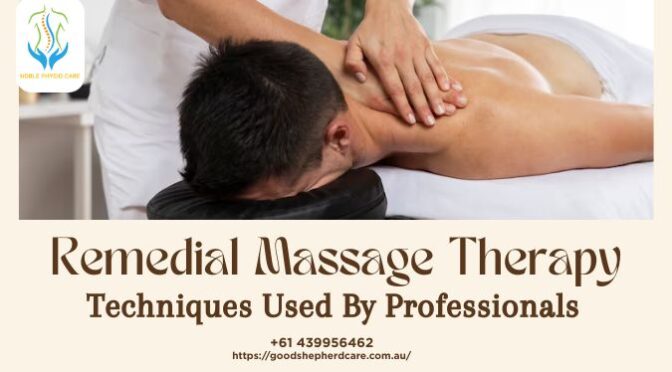
In the bustling hubs of Melbourne and the thriving communities of Hoppers Crossing and Werribee, the pace of modern life can take a tangible toll on our bodies. Whether it’s desk-related posture strains, the physical demands of trade work, or the repetitive actions of daily life, muscle tension and discomfort are common complaints. This is where the skilled, clinical approach of professional remedial massage therapy comes in. Far more than a relaxing treat, it’s a targeted form of assessment and treatment used by qualified therapists to address the root cause of your pain and dysfunction.
Physiotherapists offering remedial massage in local clinics use a sophisticated toolkit of techniques, blending anatomy knowledge with hands-on skill. The session begins not with massage, but with a crucial first step.
-
Assessment: The Foundation of Targeted Treatment
Before the remedial massage in Melbourne or any other suburb begins, your therapist will conduct a thorough consultation. This involves discussing your medical history, specific pain points (like that nagging shoulder ache from computer work or lower back pain from lifting), and your lifestyle. In the treatment room, they’ll then perform physical assessments, which may include observing your posture, gait, and range of motion, as well as using palpation to feel for muscle knots, tension, and tissue texture. This detective work, common in clinics from Melbourne’s CBD to Werribee’s health precincts, is essential to form a clear treatment plan tailored to you.
-
Deep Tissue Massage: Reaching the Underlying Layers
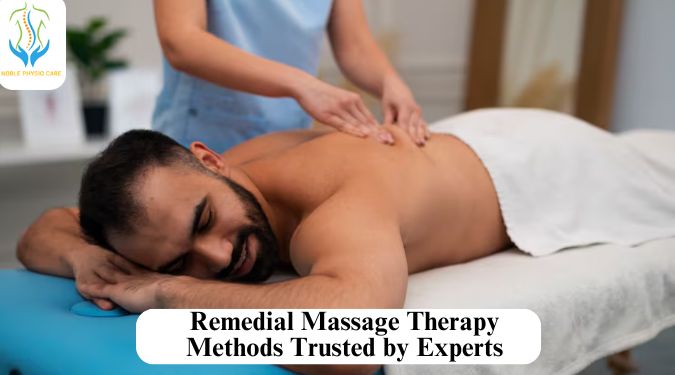
One of the cornerstone techniques is deep tissue massage. As the name suggests, this involves applying slow, firm pressure and specialised strokes to reach the deeper layers of muscle and fascia (the connective tissue). The goal isn’t to cause pain, but to break down chronic tension, adhesions (or “knots”), and scar tissue that restrict movement and cause pain. You might feel a satisfying “good hurt” as these areas release. This technique is highly effective for treating persistent issues like chronic neck and back pain, which are prevalent among office workers in Melbourne and active families in Hoppers Crossing alike.
-
Trigger Point Therapy: Deactivating Pain Referrals
Often, the source of your pain isn’t where you feel it. A trigger point is a hyper-irritable knot within a muscle that can refer pain to another area. For example, a trigger point in your shoulder blade muscle might refer pain up into your neck and head, causing tension headaches. Your therapist performing remedial massage in Hoppers Crossing and the other suburbs will skilfully locate these points and apply sustained, focused pressure to deactivate them, providing significant and often immediate relief from referred pain patterns.
-
Myofascial Release: Easing the Connective Web
Our muscles are enveloped in a web of fascia. Injury, inflammation, or poor posture can cause this fascia to become tight and restricted, pulling on structures and causing widespread discomfort. Myofascial release involves applying gentle, sustained pressure into the fascial restrictions to release this tension. Unlike deep tissue work, it’s often a slow, melting sensation. This technique is excellent for improving overall mobility and treating conditions like postural imbalances and general stiffness.
-
Muscle Energy Techniques (METs) and Stretching: Engaging Your Body’s Cooperation
Professional remedial massage in Werribee and other suburbs is interactive. Techniques like METs involve the therapist guiding you to actively use your muscles in a specific way against a controlled counter-force they provide. This helps to lengthen shortened muscles, strengthen weakened ones, and improve joint mobility. Combined with assisted stretching, these methods restore balance and function, empowering you in your own recovery. It’s a key strategy for athletes in Werribee’s sporting communities, the elderly and anyone recovering from a muscle strain.
Related Topics: Learn About the Key Benefits of Remedial Massage For Elderly Individuals
-
A Pathway to Better Health in Your Local Community
From the inner-city clinics of Melbourne to the local wellness centres in Hoppers Crossing and Werribee, accessing these professional techniques has never been easier. A qualified remedial massage therapist will often integrate several of these methods in a single session, creating a holistic treatment designed for your unique body and goals.
Whether you’re seeking management for a chronic injury, relief from stress-related tension, or simply want to move more freely, remedial massage offers a scientifically grounded path to recovery. It’s an investment in your physical wellbeing, helping you to live more comfortably and actively in our vibrant Victorian communities.
Can deep tissue massage help with old sports injuries or scar tissue from surgery?
Yes. The targeted, firm pressure is effective in breaking down adhesions and remodeling scar tissue from old injuries or surgeries, improving mobility in areas like knees or shoulders.
What does a “trigger point” actually feel like when it’s released?
You may feel a mild, brief twitch in the muscle followed by a sudden release of tension, often described as a warmth or melting sensation, with immediate reduction in referred pain.
I have chronic tension but find deep pressure painful. Are there gentler options?
Absolutely. Myofascial release uses slow, gentle, sustained pressure to ease fascial restrictions without intense pressure, ideal for highly sensitive or systemic tension.
How do Muscle Energy Techniques (METs) involve my active participation?
Your therapist guides you to gently contract or resist against their applied force; this active engagement helps reset muscle length, improve joint position, and reduce pain.
Can remedial massage treat nerve-related pain, like sciatica or tingling in the arms?
Indirectly, yes. By releasing tight muscles (e.g., piriformis or scalenes) that compress nerves, therapy can alleviate radiating symptoms, though nerve-specific conditions require a medical diagnosis.
Why might my therapist focus on an area that isn’t where I feel the pain?
Due to trigger point referral patterns and fascial connections, the source of pain (like a tight glute) is often distant from where it’s felt (e.g., the lower back or leg).
How many sessions are typically needed to address a specific dysfunction?
While it varies, a common clinical approach involves 2-4 weekly sessions to break pain cycles and retrain tissue, followed by maintenance, depending on issue chronicity.
Is there evidence that these techniques improve posture long-term?
Yes. By releasing hypertonic muscles, strengthening inhibitors, and educating on movement, therapy can create lasting postural change, especially when combined with prescribed exercises.
Can I get remedial massage if I’m currently seeing a physio or osteopath?
Definitely, in Melbourne and Werribee, therapists often work alongside these professionals as part of a coordinated care team, focusing specifically on the soft-tissue component of your rehab.
Get Started with Remedial Massage
To discuss your needs and the results related to remedial massage, call Noble Physio Care now. Dial 1300 064 148 now for an appointment or click the Book Now button at the top and follow the directions.