



Mobility plays an essential role in everyday life, helping us walk, bend, reach, exercise, and perform daily activities comfortably. However, muscle stiffness, joint pain, injuries, and prolonged sitting can restrict movement and affect overall quality of life. Stretching and physiotherapy are two effective approaches that can work together to improve flexibility, restore movement, and support physical function. Understanding how these approaches complement each other can help you take better care of your body and maintain an active lifestyle.
1. Understanding the Role of Stretching
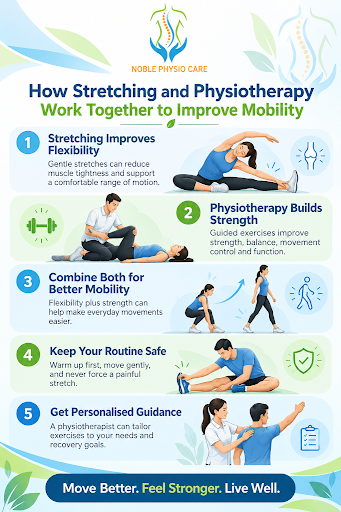
Stretching helps lengthen muscles and improve flexibility, allowing joints to move through a more comfortable range of motion. Regular stretching may reduce muscle tightness, improve posture, and make everyday movements easier.
There are different types of stretching, including static stretching, where a position is held for a period, and dynamic stretching, which involves controlled movements. The most suitable type depends on your physical condition, activity level, and goals.
When performed correctly, stretching can be a valuable part of a mobility routine. However, stretching alone may not address underlying weaknesses, movement problems, or the causes of persistent discomfort.
2. How Physiotherapy Improves Mobility
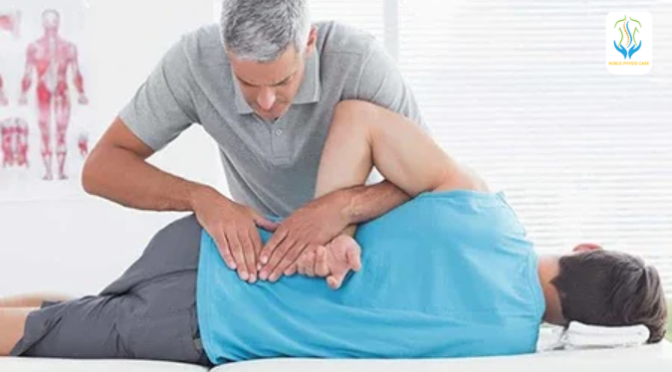
Physiotherapy focuses on assessing movement difficulties and developing personalised treatment plans to improve strength, flexibility, balance, and physical function. A physiotherapist may use therapeutic exercises, movement training, manual therapy, and education to help manage mobility limitations.
For example, someone experiencing shoulder stiffness may benefit from guided exercises that improve joint movement while strengthening the surrounding muscles. Similarly, people recovering from certain injuries may need a structured rehabilitation program to regain movement safely.
Seeking professional physiotherapy in Werribee can help individuals understand their mobility concerns and receive guidance tailored to their needs, goals, and stage of recovery.
3. Why Stretching and Physiotherapy Work Better Together
Combining stretching with physiotherapy can address several aspects of mobility at once. Stretching may help reduce muscle tightness, while physiotherapy exercises can build the strength and control needed to use the improved range of motion effectively.
For instance, a person with tight hip muscles may perform prescribed stretches alongside strengthening exercises for the hips and core. This combination can support better movement patterns and make activities such as walking, climbing stairs, and exercising more comfortable.
A physiotherapist can also recommend appropriate techniques, repetitions, and progressions based on individual needs. This helps reduce the risk of overstretching or aggravating an existing injury.
4. Tips for Improving Mobility Safely
To make stretching and physiotherapy part of a sustainable routine, consider these practical tips:
- Warm up first: Begin with gentle movement before stretching.
- Stay consistent: Follow a regular routine recommended for your needs.
- Avoid forcing movement: Stretch gently and stop if you experience sharp or worsening pain.
- Follow professional advice: Adapt exercises to your condition and recovery goals.
- Progress gradually: Increase intensity or range of motion only when appropriate.
If stiffness or pain persists, seek advice from a qualified healthcare professional rather than relying solely on self-directed exercises.
Stretching and physiotherapy complement each other by improving flexibility, strength, movement control, and functional mobility. With the right combination of exercises and professional guidance, many people can work towards moving more comfortably and confidently in daily life. The key is choosing an approach that suits your individual needs and practising it consistently.
Make An Appointment Today
Ready to improve your mobility? Contact Noble Physio Care to learn more about physiotherapy services and discover how a personalised treatment plan may help you move with greater comfort and confidence.
Call us at 1300 064 148 or email us at noblephysiocare@outlook.com for more information.
FAQs
1. How do stretching and physiotherapy work together to improve mobility?
Stretching helps improve flexibility and reduce muscle tightness, while physiotherapy focuses on strength, balance, joint movement, and functional recovery. Combining both approaches can help improve mobility and make everyday activities more comfortable.
2. What are the main benefits of stretching for mobility?
Stretching can help improve flexibility, support a comfortable range of motion, reduce muscle stiffness, and make movements such as bending, walking, and reaching easier. The benefits depend on your physical condition and the type of stretching performed.
3. Can physiotherapy help improve flexibility?
Yes. Physiotherapy can include prescribed stretching exercises, mobility training, strengthening exercises, and other suitable techniques to address restricted movement. A physiotherapist can tailor these activities to your needs and recovery goals.
4. How often should I stretch to improve mobility?
The ideal frequency depends on your health, activity level, and mobility concerns. Gentle, consistent stretching may be beneficial, but following a physiotherapist’s recommendations can help you establish a safe and effective routine.
5. Is stretching alone enough to improve mobility?
Not always. Although stretching may improve flexibility, mobility can also depend on muscle strength, joint function, balance, and movement control. Physiotherapy can address these factors through a personalised exercise and rehabilitation program.
6. Can stretching and physiotherapy help relieve muscle stiffness?
They may help reduce muscle stiffness and improve movement, depending on its underlying cause. A physiotherapist can assess persistent stiffness and recommend suitable stretches and exercises to help improve comfort and function.
7. Should I stretch before or after physiotherapy exercises?
It depends on the exercises and your individual needs. Gentle dynamic movements may be suitable before activity, while static stretching may be recommended at other points in a session. Your physiotherapist can advise on the appropriate timing and technique.
8. Is stretching safe when recovering from an injury?
Stretching may be appropriate during injury recovery, but the type and intensity must suit the injury and stage of healing. Avoid forcing a movement or stretching through sharp pain. Seek guidance from a qualified healthcare professional before beginning or changing your routine.
9. How can I find suitable physiotherapy in Werribee to improve mobility?
Look for a qualified physiotherapist who can assess your movement, understand your goals, and develop an individualised treatment plan. Noble Physio Care is an option to explore when researching physiotherapy services in Werribee. Confirm the clinic’s current services and suitability for your needs before booking.
10. How long does it take to improve mobility with stretching and physiotherapy?
Progress varies depending on the cause and severity of restricted movement, your overall health, and consistency with the recommended program. Some people notice changes relatively quickly, while others need a longer period of guided rehabilitation. Regular assessment can help track progress and adjust treatment.