




Hip pain can significantly affect your ability to walk, exercise and enjoy everyday activities. For people living with conditions such as osteoarthritis, the idea of a total hip replacement can feel daunting. While surgery is sometimes the most appropriate option, many people wonder whether conservative treatments can help delay or even avoid it. Hydrotherapy is one such treatment that has gained recognition for supporting joint health and improving mobility.
Although hydrotherapy cannot reverse severe joint damage, it may help reduce symptoms, improve function and potentially delay the need for surgery in suitable cases.
What Is Hydrotherapy?
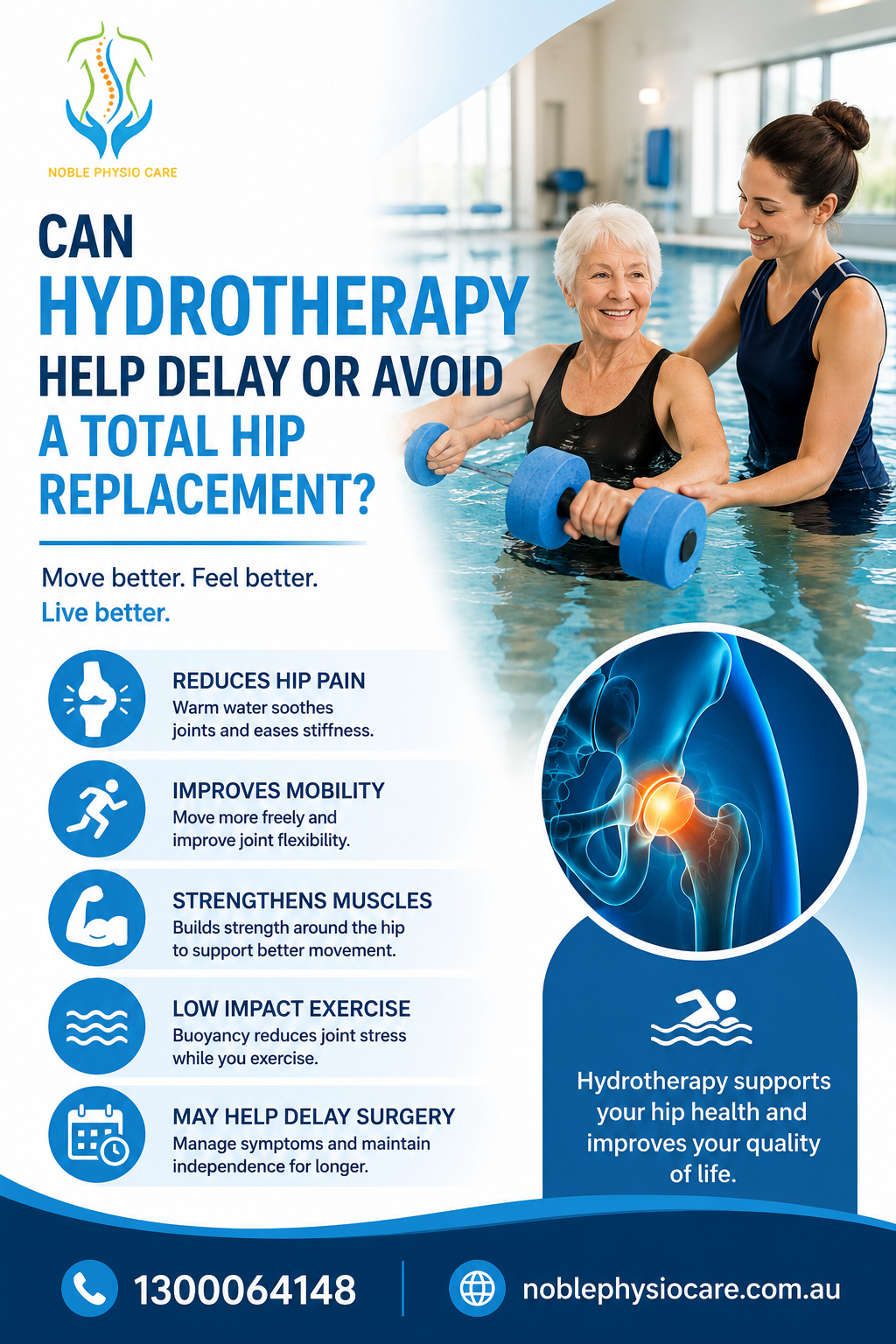
Hydrotherapy is a form of physiotherapy performed in a heated pool. The warmth of the water helps relax muscles, while buoyancy reduces the amount of weight placed on the hip joints. This allows people to perform movements and exercises that may be difficult or painful on land.
Hydrotherapy programs are usually tailored to an individual’s condition, fitness level and rehabilitation goals.
How Hydrotherapy Helps Hip Pain
One of the biggest benefits of hydrotherapy in Melbourne is its ability to reduce stress on painful joints. Water supports a significant portion of your body weight, allowing you to move with greater comfort and confidence.
Exercises performed in the pool can improve joint mobility, strengthen the muscles surrounding the hip and enhance overall flexibility. Better muscle support around the joint can reduce strain during daily activities and improve movement patterns.
Many people also find that exercising in warm water eases stiffness, making it easier to stay active.
Can Hydrotherapy Delay Hip Replacement Surgery?
For individuals with mild to moderate hip osteoarthritis, hydrotherapy may help manage symptoms effectively enough to postpone surgery. Regular exercise, improved muscle strength and reduced pain can help maintain mobility and independence for longer.
However, the outcome varies from person to person. Factors such as the severity of joint degeneration, overall health and commitment to an exercise program all influence whether surgery can be delayed.
Hydrotherapy should be viewed as part of a broader management plan rather than a guaranteed alternative to hip replacement.
When Surgery May Still Be Necessary
In advanced cases where cartilage loss is severe, pain persists despite conservative treatment and everyday activities become increasingly difficult, a total hip replacement may remain the most appropriate solution.
Hydrotherapy cannot regenerate damaged cartilage or correct significant structural problems within the joint. Instead, it helps optimise joint function and quality of life while conservative management remains effective.
An orthopaedic specialist and physiotherapist can work together to determine the most suitable treatment pathway.
Additional Benefits of Hydrotherapy
Beyond helping manage hip pain, a hydrotherapy service in Melbourne offers several other advantages.
It can improve balance and coordination, reduce the risk of falls, increase cardiovascular fitness and support healthy weight management through low-impact exercise. Many participants also report improved confidence when moving in water compared to exercising on land.
These benefits contribute to better overall health and may make future rehabilitation easier if surgery eventually becomes necessary.
Also Read: How Can Hydrotherapy Service Enhance Your Physical Well-Being?
Who Is a Good Candidate?
Hydrotherapy may be suitable for people experiencing hip osteoarthritis, chronic hip pain, reduced mobility or stiffness that limits daily activities. It is particularly beneficial for individuals who struggle with weight-bearing exercise because of pain.
Before starting hydrotherapy, a healthcare professional should assess your condition to ensure the program is appropriate and tailored to your individual needs.
Maximising the Benefits
The best results are achieved when hydrotherapy forms part of a comprehensive treatment plan. Combining pool-based exercise with land-based physiotherapy, strength training, healthy weight management and lifestyle modifications can provide greater long-term improvements than relying on one treatment alone.
Consistency is also important. Regular attendance and gradual progression of exercises help maximise strength, flexibility and functional mobility.
Ending Note
Hydrotherapy can be an effective way to manage hip pain, improve mobility and support people living with hip osteoarthritis in Melbourne. While it cannot repair severe joint damage or guarantee that surgery can be avoided, it may help delay a total hip replacement by improving strength, reducing pain and maintaining independence.
If you’re experiencing ongoing hip pain, consulting an experienced physiotherapist can help determine whether hydrotherapy is the right addition to your personalised treatment plan.
Get Started with Hydrotherapy
Let the experts at Noble Physio Care elevate your well-being with specialised hydrotherapy. Call 1300064148 to schedule an appointment or click the Book Now button to book online.
Yes. Hydrotherapy is widely recommended for hip osteoarthritis because the buoyancy of water reduces pressure on the joints while allowing safe, low-impact exercise. It can help improve flexibility, strength and overall function. The ideal frequency depends on your condition and treatment goals. Many physiotherapists recommend one to three hydrotherapy sessions per week, combined with a personalised home exercise program for the best results. Hydrotherapy may be suitable for people with hip osteoarthritis, chronic hip pain, reduced mobility, joint stiffness or those recovering from an injury. A physiotherapist can assess whether it is appropriate for your individual needs. Yes. Hydrotherapy is often used during rehabilitation after a total hip replacement. Once approved by your surgeon or physiotherapist, it can help restore strength, improve mobility and support a safe return to everyday activities. No. Hydrotherapy is most effective when combined with other evidence-based treatments such as physiotherapy, strength exercises, weight management and medical advice. A comprehensive treatment plan provides the best chance of improving hip function and managing pain. Is hydrotherapy good for hip osteoarthritis?
How often should I do hydrotherapy for hip pain?
Who is a suitable candidate for hydrotherapy?
Can hydrotherapy help after a total hip replacement?
Should hydrotherapy replace other treatments for hip pain?